 USA
USA  Canada
  Brazil
  Germany
  France
  Italy
Italy  Switzerland
  Sweden
  Spain
Spain  Great Britain
  Russia
  South Africa
  Japan
Japan  New Zealand
  Australia

Custom-made leather clothing is produced to a customer's measurements and design choices instead of being cut to a standard size chart. Leather Collection has made leather clothing since 2009, and every piece is hand-stitched and made to order. This guide explains what custom-made means, where it changes fit and design, and how to weigh the cost.
Key Takeaways
- Custom-made means the garment is cut to submitted measurements instead of a standard size.
- Leather type, color, hardware and lining can usually be chosen before production.
- Full-grain leather develops patina through use, so it changes visibly over time.
- Cost is easiest to judge by how often the garment is worn and how well it fits.
What Custom-Made Means
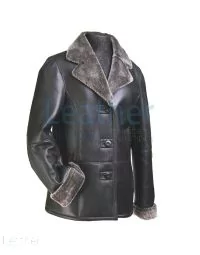
A standard garment is cut to a size chart that approximates many bodies. A custom-made garment is cut to submitted measurements, so sleeve length, torso length and waist can follow the wearer. Browse custom options under and in the .
Fit Is the Main Advantage
Leather does not stretch like knitwear, so small mismatches show quickly: sleeves that end too early, shoulders that pull or a jacket that rides up when you sit. Made-to-measure sizing addresses those points at the pattern stage.
- Shoulders and sleeves: length and width matched to the wearer.
- Torso and waist: a closer or roomier cut by choice.
- Pants: waist and leg length, which suits .
Design Choices You Control
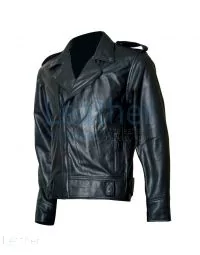
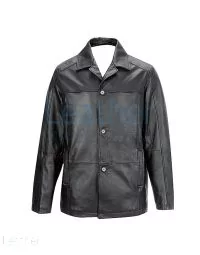
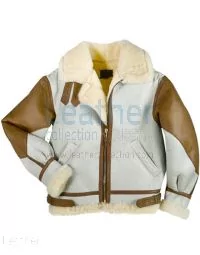
Custom orders let the buyer choose color, stitching, linings and fittings, and sometimes the cut itself, from slim modern shapes to relaxed vintage ones. A minimal option such as the can be paired with subtle hardware, while heavier pieces such as a or allow more detailed choices.
Coats follow the same idea. are cut to measurements, which matters for a long garment where length and shoulder fit are easy to miss on the rack.
Choosing the Leather
Cattle supply most of the world's leather, and sheepskin is notably soft (Wikipedia on leather). That gives a simple rule of thumb:
- Cowhide: firmer, holds structure, suits jackets and blazers.
- Lambskin: softer and lighter, suits fashion pieces that drape.
- Goatskin: another common apparel leather, often chosen for a supple feel.
The same source notes that full-grain leather keeps the whole grain layer and develops patina in use instead of wearing out. A grade like that changes the surface over time, so expect color and texture to shift with wear.
Which Garments Benefit Most
Fit matters most where the garment is structured and close to the body. A jacket or blazer depends on shoulder width and sleeve length, a coat on overall length, and pants on waist and inseam. A loose vest or a relaxed overshirt forgives more, so ready-made sizing often works well there. Deciding which garment justifies the extra step of measuring is usually the practical first question.
Caring for Custom Leather
Follow the garment's care label or the maker's instructions; the right product depends on the finish and construction. Let a wet piece dry naturally, away from radiators and direct sunlight, and store it on a wide hanger in a ventilated space. Test any cleaner or conditioner on a hidden area first, since some products darken the surface. Clean marks early with a soft, slightly damp cloth instead of scrubbing, and have loose stitching or a failing zipper repaired before it spreads.
Made to Order and Slow Fashion
Made-to-order production means a garment is cut after an order is placed, not drawn from a shelf of finished stock. For buyers it also means decisions are made up front: size, color, hardware and details are fixed before work begins, so check the choices carefully.
Thinking About Cost Over Time
Custom pieces usually cost more than ready-made ones, so the sensible comparison is cost per wear. A garment that fits well is worn more often, and leather that is cared for as the maker advises can stay in use for years. Neither is a promise: how long a garment lasts depends on the leather, how it is worn and how it is stored.
How to Order Custom-Made Leather Clothing
- Choose the category: browse men's leather clothing, from jackets and blazers to vests and pants.
- Select options: pick leather type, color and detailing where offered.
- Submit measurements: enter body dimensions for the made-to-measure pattern.
- Place the order: each piece is then hand-stitched and made to order.
Measure over light clothing, keep the tape snug but not tight, and re-check any figure that looks unusual before submitting.
Frequently Asked Questions
What is the difference between custom-made and made-to-measure?
The terms are often used interchangeably. Both mean the garment is cut to the buyer's measurements. Custom-made can also imply more design choices, such as leather, color and details. Check each product page to see which options are actually offered before ordering.
Which leather is suited to a custom jacket?
Cowhide is firmer and holds structure, so it suits jackets and blazers. Lambskin is softer and drapes more, which suits fashion pieces. Goatskin is another apparel option. The right choice depends on how structured the garment should be and how it will be worn.
How should I measure for a custom leather garment?
Measure over light clothing with a soft tape, keeping it snug but not tight. Record chest, waist, shoulder width, sleeve length and torso length for jackets, and waist and leg length for pants. Re-measure any figure that looks unusual, and have someone help with sleeve and back measurements.
Does leather change with wear?
Yes. Leather softens and takes the shape of the wearer, and full-grain leather develops patina through use. Color and surface texture shift gradually, so a worn piece looks different from a new one. Follow the care label or the maker's instructions for cleaning and conditioning.
Written by the Leather Collection Editorial Team.